A reflection on the lectionary readings for the twentieth Sunday after Pentecost.
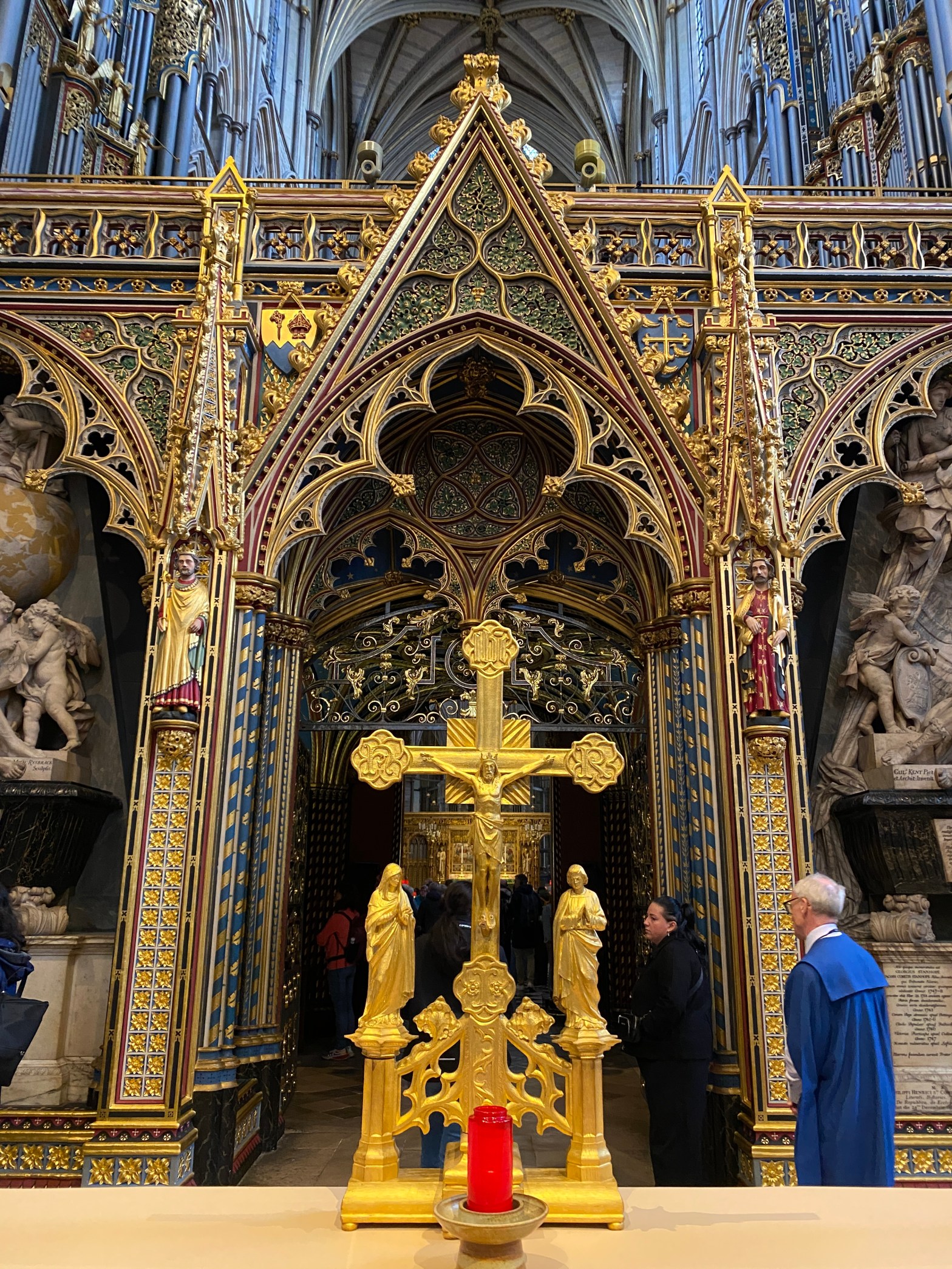
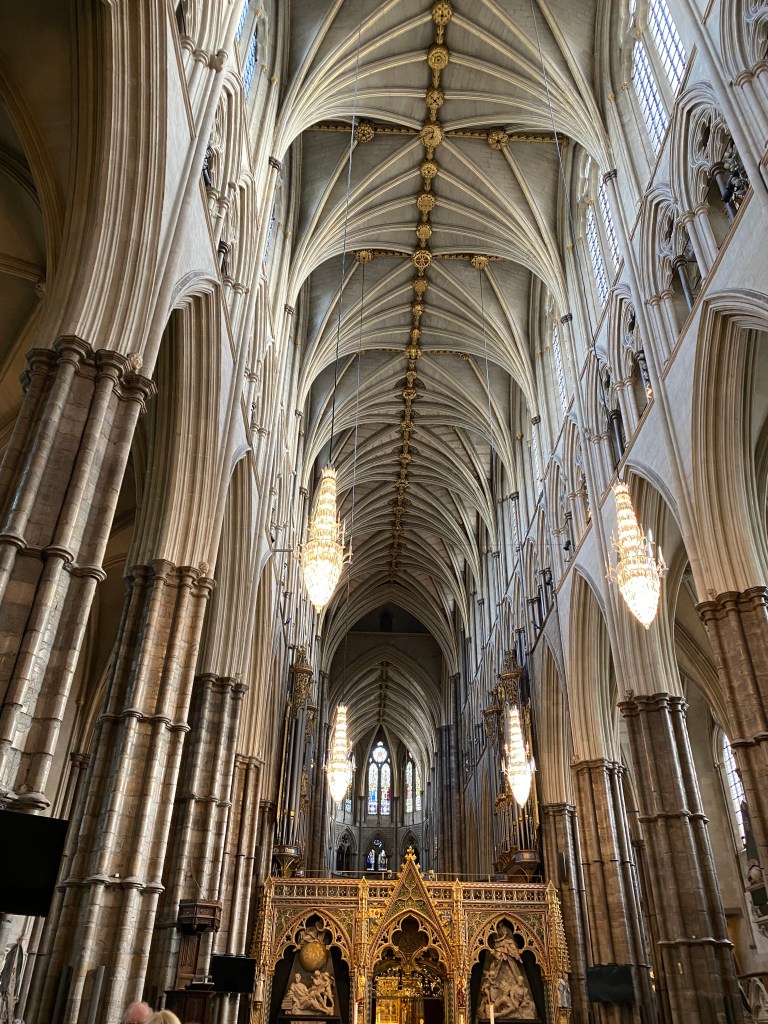
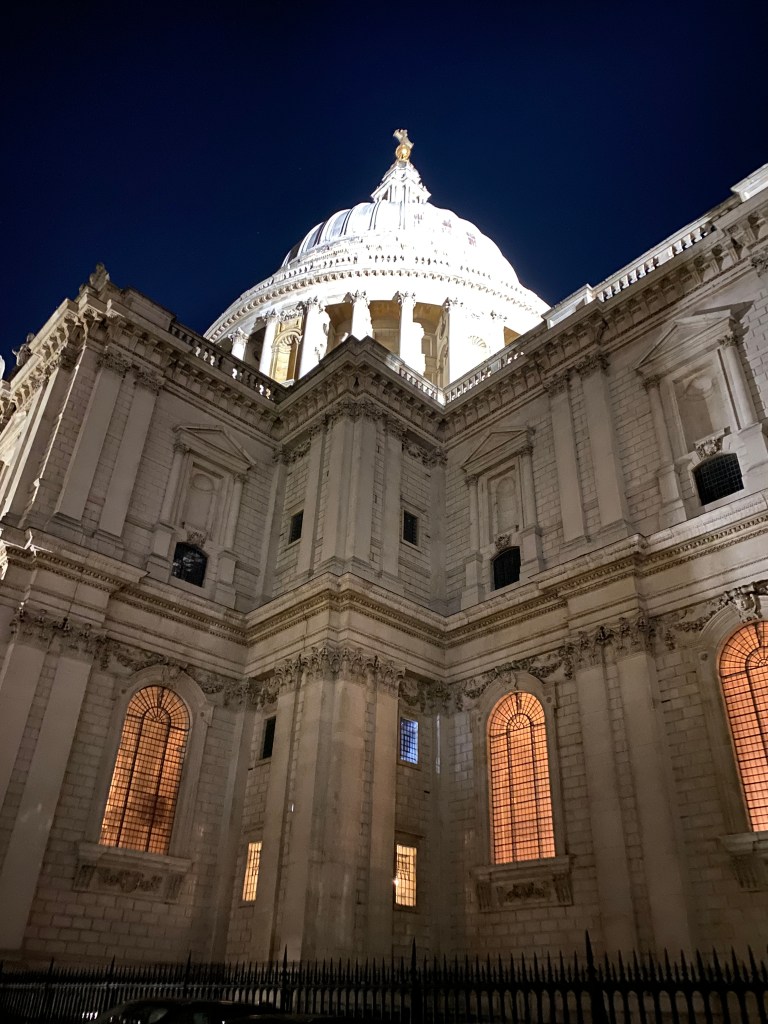
I’m still in the UK, spending time with friends, touring cathedrals and churches, eating and drinking my way through villages, towns, and cities. It’s quite lovely. I enjoy so much experiencing different countries and cultures. I told my friend I wanted to experience real England and not just the fairy tale version I think I have in my head. I am grateful she’s able to drive me around as the thought of having to relearn to drive on the other side of the road through countless roundabouts quite frightens me! So far, I don’t think I’ve made any major ‘American tourist’ faux pas. I’ve learned I quite like steak and ale pie and a full English breakfast. And my favorite part as been feeling the centuries of prayer in the churches and cathedrals we toured and prayed in.

I am soaking in the history of these places – the good, the bad, and the ugly – the church has not always sought God’s goodness nor have we always reflected God’s love in this world. Yet, all that has come before is part of who we are. The stories of the past, like the stories in scripture are a learning tool that enable us to see into our own motivations and ponder what it really is that we want from our relationship with God.
The writer of Luke tells us that Jesus told this parable of two people praying in the synagogue in order to reveal how sometimes we trust in our own righteousness rather than God’s righteousness. It is yet one more way Jesus tries to help us see the many ways we live competitively and transactionally rather than relationally.
For example, I know of a small parish in the US that was formed because of a split at another Episcopal parish. That split happened many years prior and yet the newer parish never has been able to describe who they are but defines themselves by splitting from “that other” parish. Much like the pharisee in today’s parable, “thank God we aren’t like them.” Of course, to tell that story I run the risk of being like the Pharisee myself. Jesus doesn’t give us parable to tell us we are better than others but to offer us an invitation to look into our own self and ask God to forgive us when we do put ourselves above others. Whenever we try to define ourselves by how we are better than others, we are falling into the same trap as the Pharisee.
When we strive to see life through the lens of love there is no comparison. Love enables us all to be who we are as God uniquely and wonderfully made us. When Jesus uses the metaphor to describe all who follow him as one body, it is to help us learn that we are all a unique and necessary part of the whole. There is no earning or deserving our way into the Kingdom, only an invitation to come as we are and let the journey of our whole life following Jesus help us grow more and more into who God made us to be.
It is because of God’s goodness that we are good, made in the image of God; it is God’s righteousness that makes us righteous. Yes, we do good things in response to God’s gift to us, but it is not our spiritual practices that make us good or righteous or earn us a place in God’s Kingdom. Spiritual practices are ways to deepen our relationship with God and each other, they are not ways to prove how good we are.
Your goodness does not make me bad nor do my acts of service make you any less than me because yours are different than mine. Some of us have the ability to travel other far off lands and build hospitals or schools or churches. Some of us have the ability to give generously to fund big projects. Some of us have the ability to pray for these projects. Some of us have the ability to sit with others in suffering and pain. Some of us can organize events. Some of us can speak encouraging words. Some of us can help others see other points of view. Some of us can write thought provoking articles. Some of us can cook and feed others. Some of us can make others feel at home and at ease no matter the situation. This could go on and on and since some of us can use more words than are necessary, I’ll wrap it up with ‘you get the idea’.
When Jesus was asked how to know God, he said “I am the Way, the Truth, the Life.” (John 14) He didn’t answer by saying who he wasn’t but by knowing who he is. Jesus invites us to follow him so that we can come to know who we are and each use our abilities to participate in the building up of God’s Kingdom-on-earth-as-in-heaven. God calls us to be who God made us to be: beloved children of God who journey together with the intent that we all have what we need to thrive.
The true motivations of some who built these amazing churches and cathedrals may not have been pure but the centuries of faithful prayers in them saturate the atmosphere with God’s loving power. To sit in worship and prayer, imagining the craftsmen who carved and laid the stones, the artists who painted, those who formed the stained glass, carved the wood, forged the metalwork, along side the clergy who led worship, the musicians, those who’ve worshiped and prayed through the centuries, I am bound deeply to God and all who are with me, have come before, and all who will come after.
It is the love of God who made us good, and the life, death, and resurrection of Jesus that make us citizens of God’s Kingdom-on-earth-as-in-heaven. All that we do on this earth is our response to God’s goodness. God invites us to live in relationship with God, each other, and ourselves. Jesus shows us in flesh and blood how to live relationally instead of transactionally so that our lives reveal God’s goodness. Amen.
 Mother Nancy's Coffee Thoughts
Loving the Identity
LikeLike