A reflection for the Daily Lectionary Readings for April 7. Please see the Daily page for tools to help you make daily prayer and scripture a pat of your rhythm.
(Psalm 118:1-2, 14-24; Exodus 15:1-18; Colossians 3:12-17) In my Holy Saturday reflection I shared a bit about some of Jesus’ final words from the cross: “Father forgive them for they don’t know what they are doing” and how our ‘not knowing’ can take the form of truly not being aware that our thoughts/words/deeds are causing harm or deliberately choosing to not see or hear the harm we are causing. The one causing the harm due to either form of ignorance, genuine or willful, isn’t the intended beneficiary of the forgiveness.
Forgiveness is for the one who is harmed. It is the letting go of the anger that leads to the desire for revenge or retaliation. Forgiveness does not deny harm was done, it faces it head on with the truth and authenticity that enables the recipient of the harm to heal and grow. Forgiveness is a choice of the one harmed. The one who caused the harm cannot demand it or require it. They can humbly ask for it with a plan to learn to not repeat the same pattern of dysfunction, growing (nope, not a typo) forward with the willingness to face the consequences of their actions.
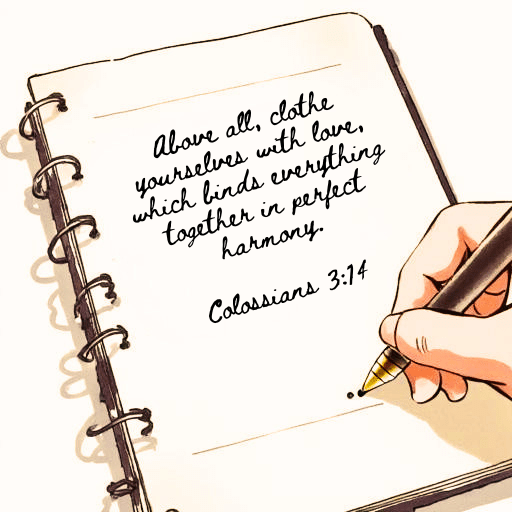
God freely forgives because God does not operate from a place of revenge or retaliation ever. God forgives because God operates from a grounding of Love that works toward justice always. And we are called to live (and understand) this as best we are able in our human limitations and with God’s help. In the bit of the letter to the church in Colossae we read today, Paul beautifully weaves together forgiveness, accountability and correction.
Forgiveness does not guarantee the one who caused the harm will be free from consequences. Jesus didn’t preach repentance from the cross, he proclaimed God’s forgiveness. He didn’t say “it’s ok what y’all are doing, there will be no consequences.” All who were complicit in his murder would have to live with their actions and Jesus didn’t want anyone else to be corrupted by a desire for revenge or retaliation.
In the OT story for today, Pharaoh and his army face the consequences of their actions. And yet, we must remember that they, too, are made in God’s Image as were those who participated in Jesus’ death, as are all who unintentionally or willfully cause us harm. Taking hold of forgiveness we acknowledge the harm, lament the pain and sorrow, and grow forward in the love that works toward justice. It’s a lifelong process.
Keep lovin’ louder than the hate, Y’all!
 Mother Nancy's Coffee Thoughts