A sermon preached at Grace Episcopal Church, Cuero, TX. The lectionary readings for the twelfth Sunday after Pentecost are here.
Good morning! Before we dive into todays readings, let me take a moment to introduce myself. My name is Nancy Springer and I’ve been a priest in the Episcopal Church for 13 years. My first posting out of seminary was at St. John’s in McAllen, the same church where Peter Thaddeus was a member. I was privileged to work with Peter on the vestry and when he was Senior Warden, we led Bible Studies together, and worked tirelessly alongside other churches in the area to minister to the migrants who came to our country trying to find a better life for their families. Like Peter, I was a “second-career” priest although I got a bit of an earlier start in this calling he and I share. Each of our stories of ‘how we got here’ go to show that it’s never too late to learn to hear God’s calling to be who God made us to be in this life.
One of the studies Peter and I led together was a book called The Call by a man named Os Guinness, the great-great-great-grandson of the founder of Guinness Brewery. Os is a theologian and social critic who’s writings weave together faith and everyday life. In The Call, Os says that every person has two Calls in life. Our primary call is toward God, always deepening our relationship with God as we journey through our secondary call which is the way, with our particular and unique talents and skills, we each participate with God in the building up of the Kingdom-on-earth-as-in-heaven.
In other words how we live our ordinary, day-to-day lives in relationship with God and following Jesus. Our calling isn’t about doing something grand and world-altering, although for some it is. For a few of us it is about working in the church. For some, like Peter and like me, our calls changed later in life. For everyone, each of us here, our Call is living life as image bearers of our loving God, with all that fills our days regardless of our age, occupation, or social status.
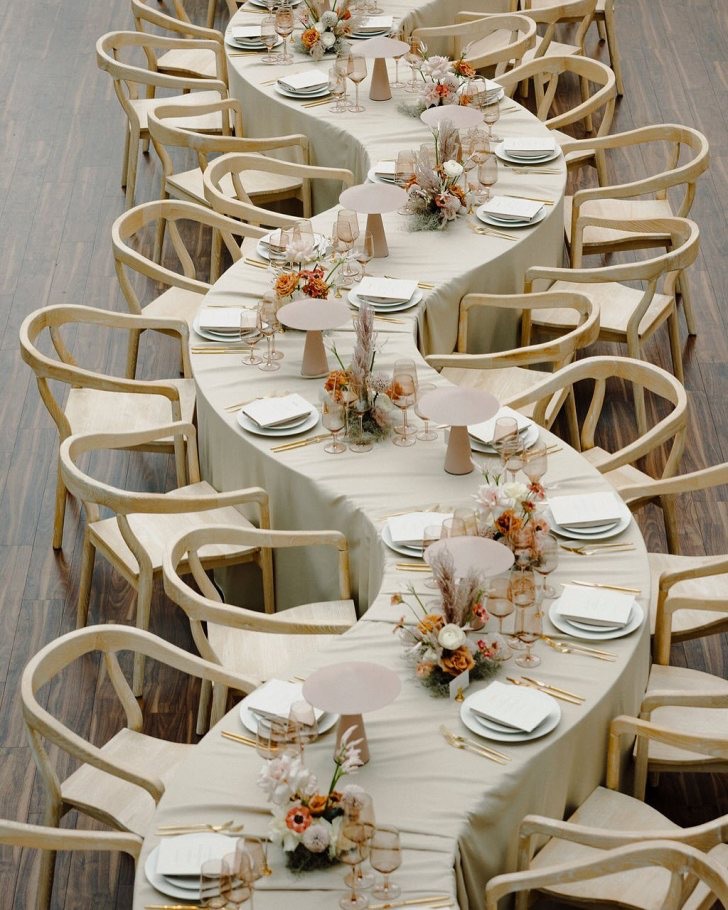
In our gospel story today, Jesus is watching a group of folks gather for a meal on the sabbath. If you noticed, we skipped a bit of the story in which Jesus heals a man and then asks the Pharisees if it’s permitted to heal on the Sabbath but they don’t give Jesus an answer so he asks them if their child or animal fell into a well on the Sabbath would they save them. The Pharisees, the ones looking for Jesus to say or do the wrong thing, still don’t answer because they are worried what their answer might expose about their worldview. And so Jesus turns his attention to the dinner guests and tells them all a story of a seating chart at a wedding banquet. Here’s a hint to interpreting Jesus’ parables: when he talks about a wedding banquet he’s really talking about the Kingdom of God and we are the invited guests.
The point of Jesus’ story isn’t to teach them image-management tactics, but to show us how silly trying to orchestrate how others see us really is. We don’t want to risk being asked to vacate an honorable place by someone who is more prestigious so we sit in the back so that everyone will see how important we are when we are asked to sit closer to the host. Pretending to be humble in hopes of being honored is just as prideful as seeking to be honored to begin with. When we seek to be first we will be last but when we put ourselves last in order to be the first we’ve still put ourselves first.
The point of Jesus’ story is to illustrate the equality of God’s Kingdom-on-earth-as-in-heaven. Living in God’s Kingdom isn’t about rank or status but about everyone being equal. There is no first or last. There is only mutuality. When the powerful are brought low and the poor exalted it’s because everyone is brought to the same level, which is lower than the powerful are used to so it feels like being last and higher than the poor are used to so it feels like being first.
Our life as we follow Jesus isn’t about our own glory but revealing God’s glory to the world. And God’s people have struggled with this since the beginning. The prophet Jeremiah gives us God’s lament “my people have changed their glory for something that does not profit.” Instead of relying on God they sought their own source of living water.
In God’s Kingdom, no one’s Call in life is more important than anyone else’s. Everyone’s primary call is growing deeper in relationship with God, growing in the wisdom that we all are called to reveal the image of God within us so that others see the light of God’s love in this often dark and scary world. Whether we do that in our secondary calling by wearing priests robes or volunteer name tags or with a mop and a bucket or in an office or factory or on a ranch or sitting at the highest bench in the court house or the serving line in a soup kitchen, when we live into our secondary Call from the Divine Image within us all, we are taking up the unique and particular place intended for us in God’s Kingdom.
There is nothing any of us can do or not do in this life that would cause God to love us any more or any less than God loves us. We don’t have to pick the right seat, in the front of the room or the back, to prove ourselves worthy to God or anyone else. We are all worthy of God’s love and are given a place in God’s Kingdom. When we try to prove ourselves more worthy than others, we’ve lost the Jesus-plot.
Instead of competing for the best or worst seats at the banquet, we need to be looking for those who aren’t at the banquet and invite them in. Our motivation and goal in God’s Kingdom isn’t to be first or last but to love because we are loved.
Life in God’s Kingdom-on-earth-as-in-heaven is about lifting each other up, not trying to outshine each other. The Pharisees were more concerned about their reputations than they were about the man whom Jesus had healed. When we listen to the call from God in our lives, we discover that life isn’t about reputations or prestige or monetary wealth but about living in right relationship with God, our neighbors, and ourselves. With all that we are and all that we have and all that we do, we participate in the building up of God’s Kingdom, right here and now. We participate with God in answering the prayer ‘your will be done on earth as in heaven.’
This is the good news and freedom Jesus offers us as we follow him into the Kingdom. Amen.
 Mother Nancy's Coffee Thoughts