I’m not preaching this week but wanted to offer this reflection on the Gospel reading for today. I pray you find it beneficial.
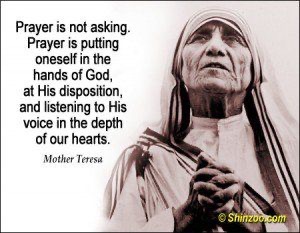
When asked by his disciples to teach them to pray, Jesus offers the framework of prayer that is more about God and God’s wants than it is about us. It is a prayer of reliance on God and being satisfied with God and God’s way. It doesn’t invite Jesus into our hearts or ask for a ticket into Heaven but asks God to show us how to live in the kingdom-on-earth-as-in-heaven right now. And it makes our primary task worship followed by the awareness of God’s Kingdom all around us and our dependence on God and our interdependence on each other.
And then, to drive his point home, Jesus tells a parable of a persistent neighbor. Let’s set a little time and culture context here for better understanding: to feed a guest was imperative to their hospitality centered culture, even a guest who showed up unannounced in the middle of the night. You couldn’t just say “I didn’t make it to the HEB today but we’ll go get breakfast tacos in the morning.” When a guest appeared, there was to be food and a meal, no matter the time or what else was going on. To be inhospitable was not only an individual failure but a communal failure as well. If you didn’t take proper care of your guests, your whole community was shamed. So you go next door and wake up your neighbor. And if they get annoyed, keep knocking until they help because you can’t bring shame down on the community.
So what does this parable have to do with the prayer structure Jesus teaches? I’m so glad you asked! The prayer and the parable are parallels of each other.
Your Kingdom come = the friends, the one who asks, the one who’s at home, and the one’s who’s just arrived. The building blocks of Gods’ Kingdom on earth as in heaven are relationships. The economy of the Kingdom is love. As we love each other well, we build up the kingdom.
Give us each day our daily bread = I don’t have what I need so I’ll ask my neighbor if I can use some of theirs. God’s Kingdom isn’t about having more than our neighbor but working with each other so we all have what we need. We should be content with what we need and not hoard more to keep it from others. We are all in need of something at times. It isn’t a weakness or a flaw. It’s part of being human as God made us. God provides our needs through other people. God made us to be interdependent.
Forgive our sins as we forgive debts = ‘lend me three loaves.’ Our western minds often hear this as a transaction: God forgives us and in return we forgive others. Yet, God isn’t transaction, God is relational. In all of our relationships, forgiveness is to be mutual; forgiveness is about loving well. Forgiveness doesn’t mean there won’t be consequences for harm done but that we don’t harbor resentment or seek retaliation. Healthy relationships don’t have double standards. We accept accountability for harm we’ve done and we let go of the anger when we are the one harmed.
Do not bring us to the time of trial = ‘at least because of his persistence’. We are asking God to help us pay attention to each other’s needs so that no one has to cause harm to get what they need and to help us not see others asking for help as an inconvenience but a chance to participate in the economy of God’s kingdom.
And then, to make sure we get it, Jesus gives this somewhat convoluted list of knocking/opening/parent/child/fish/snake/egg/scorpion/good gifts metaphors. God knows what we need better than we do, but Jesus tells us to ask God for what we need. Not because God is a petty god who withholds what we need but because God wants us to live in relationship. God delights in giving us good gifts. And with God, we don’t have to be pesky. God answers. But that doesn’t mean God will give us whatever we want. We have to be mature enough to know the difference between needs and wants. In our modern middle class western culture, we are so used to getting most anything we want and, really, we don’t think much about our needs because they are met. We turn on the faucet and there’s water. We open the pantry and there’s food and if we are out of bread we go to HEB and get more. What do we really need to ask God for?
It’s not about the stuff. It’s about all that makes us human, God’s beloved people. In the economy of God’s Kingdom-on-earth-as-in-heaven, we are all accountable for tending to each other’s needs whether they are emotional, spiritual, intellectual, or physical (remember the whole heart, soul, mind, and strength command?). These are part of being human. When we pretend we don’t have any needs and think we are here only to fulfill others needs we are not being fully human. When we see others as only a tool to fill our needs and don’t pay attention to theirs, we are not being fully human.
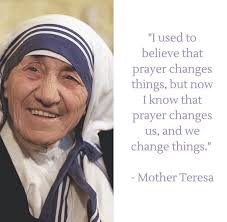
Life in God’s Kingdom is about our interdependence, loving God with our whole being and loving our neighbor as ourselves. This is what Jesus commands us; it is what he teaches us to pray for. Prayer isn’t about changing God’s mind but about shaping our hearts and minds to reflect the image of God within us.
Keep loving louder than the hate.


Thank you. This brings real-life meaning to a prayer that is pressed on our hearts, and we have been saying since childhood. Jo Lynn
Read
LikeLike
Thank you, Jo Lynn.
LikeLike