A sermon preached at St. Francis by the Lake Episcopal Church, Canyon Lake, Texas.
The lectionary readings for the fifth Sunday after the Epiphany are here.
What’s the scariest, most daunting thing you’ve ever been asked to do? How did you respond? With anger or frustration? With fear? Or with the humble confidence that comes from trusting the one who is asking a hard thing of you?
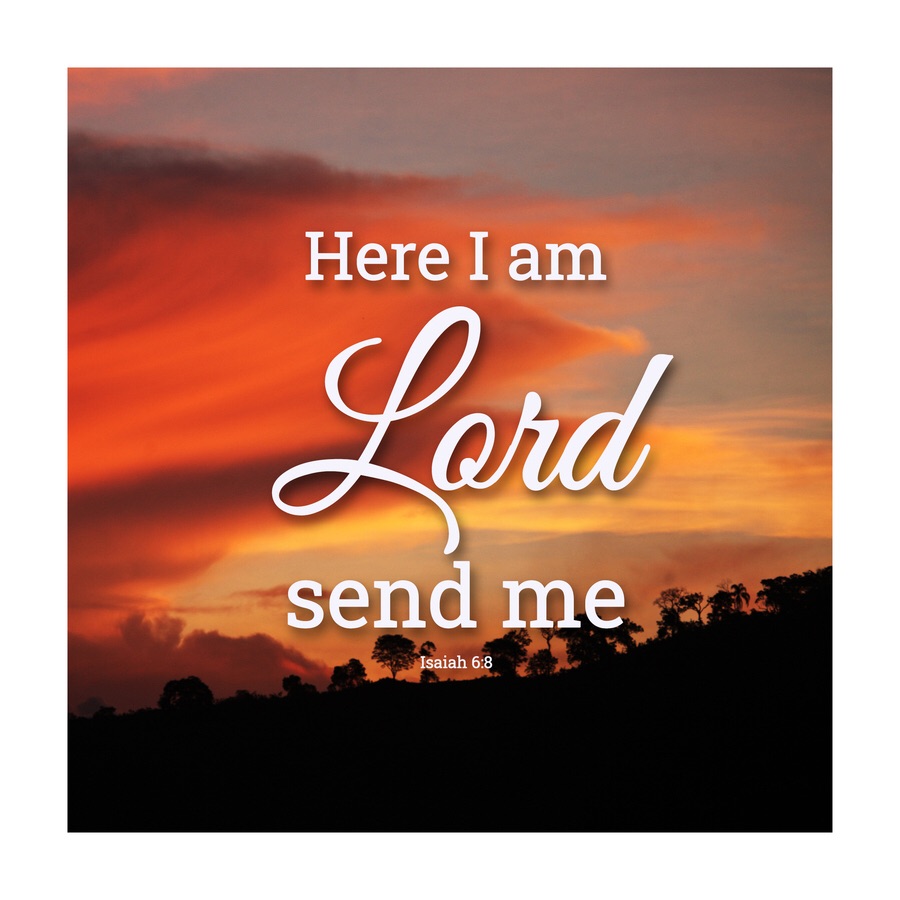
In our Old Testament lesson, we have Isaiah, a prophet, who’s willingly taken on the task of preaching to the people of Israel about how they’ve tripped up and sinned against God. Isaiah takes on the difficult task of telling the Israelites that if they stay on the path they are on, life as they know it will be turned upside down as God withdraws his support from them.
As we enter into the story, Isaiah’s been told what he’s to say and do and now he’s given a vision of God’s Throne Room. I mean it’s one thing to agree to proclaim God’s truth here on earth, but to be transported straight into the Throne Room with God? If one isn’t prepared properly, that’s certain death! He’s agreed to what God has asked of him but is just beginning to realize the magnitude of it all. Yet Isaiah doesn’t give up or walk away; Isaiah listens to God’s call and responds, trusting God to enable and equip him for all that God asks.
And then it seems that God is setting Isaiah up for the impossible, saying the people Isaiah will preach to won’t comprehend, won’t think, won’t see or hear. But God isn’t forcing the people not to understand, God is saying that even as God has been with the people and spoken to them and taught them and led them, they still want to do life their own way; God has and will continue to give them ample opportunity to walk with God and they keep choosing their own path. If God miraculously changes them to follow God only, God is taking away their freewill and without freewill they stop being fully human and lose the capacity to love. And that is not who God created any of us to be.
So now that we’ve gotten Isaiah squared away, let’s jump over to the Gospel reading: Peter and his buddies have had a terrible night shift with nothing to show for their efforts. And Jesus, whom Peter knows and has apparently heard teach and preach and admires as indicated by the address of ‘master’ tells Peter to try it again – the preacher is telling the professional fisherman how to fish. And Peter, to his credit, gives Jesus the benefit of the doubt, although a bit cheekily with his “if you say so” and tries again, with miraculous results. At the sight of the haul, Peter knows immediately that he’s in God’s presence, and responds in much the same way as Isaiah – with a humble knowing of who he is in relation to God.
Both of these men have accurate and proper responses as they come to terms with the reality in front of them – God is with them. These men are aware that they are human beings created by the One who is coming to them and saying walk with me, work with me, let me show you who you are created to be by love, in love, and for love. They understand that without God, we are not worthy to do the work of God’s Kingdom, that without being in relationship with our Creator, we are only building our own kingdoms. With God and by God only are we made worthy and competent and capable of living in service to God and God’s kingdom on earth with justice and compassion and mercy and love.
Jesus then says to Peter the thing he says almost as much as he tells us to love: ‘do not be afraid’. A few of us had a conversation about this at Wednesday Eucharist week before last. Fear is a natural emotional response we all have. God gave us the emotion of fear to tell us that something is wrong, to help us pay attention to what is going on around us. And in our holy scriptures, the word translated into English as ‘fear’ is used to convey our proper understanding of who God is and who we are in the hyphenated English phrase fear-of-the-lord. We aren’t to cower at the name of God but to respond as Isaiah and Peter did, with the humility that says we know we are’t worthy of who God is and what God does for us. This fear-of-the-lord isn’t supposed to drive us away but to help us properly orient ourselves to God in reverence and awe: We follow God, we don’t direct God. God invites us to be on God’s side; we don’t tell God to be on ours.
Jesus knows all too well this world can be an extremely scary place. Jesus knows we are human and we will experience the emotion of fear. And he says ‘don’t be afraid’. He’s not telling us to ignore our fear but to not let it control us and to not use it to control others. Leaders who rule by fear are the very leaders that God and the prophets and the apostles and all of our holy scriptures speak against.
When Jesus says do not be afraid, he is reminding us that God is with us and it is God’s strength and power of LOVE that give us the courage to stand up to the injustices of this world. Do not be afraid is a call to stand against those who are working so very hard to instill fear in all of us. Fear, when we let it take control of us, is paralyzing and prevents us from walking in the righteousness and justice of God’s Kingdom. Letting fear take control prevents us from being who and Whose we are.
When we come face to face with God, when we are aware of God’s presence with us, yes we have the ability to chose God or not, but is there really any other choice than to admit we are human and worship and praise the One who created us? How amazing is it that the God who created us wants to be with us and in relationship with us and asks us to participate with God in the building up of God’s Kingdom on earth as in heaven?
We don’t have to be perfect before God chooses us; we don’t have to earn God’s favor; we don’t have to prove to God or anyone else what a good person we are. With God and by God’s actions we are worthy to do the work of God’s Kingdom. God chooses us. God loves us. God calls us to share that Good News with the hurting world.
We don’t have to worry that we won’t live up to God’s expectations. We don’t have to go into the service of God’s Kingdom naively. God tells us what we are to do – God tells us to love. And when we love well, God is pleased. And when we don’t love well, because we are all only human after all, God loves us still and calls us to return to the way of the Kingdom on earth as in heaven.
God asks us to do hard, daunting things: to love when the world says hate; to show compassion when the world says judge; to work for the greater good of all when the world says take care of number one; to remain faithful even when it seems we aren’t having any effect on the suffering in this world, even when we are the ones suffering. God asks us to do hard things and walks with us as we do, giving us the strength and courage that is fed by God’s love. And that is very good news, indeed. Amen.
 Mother Nancy's Coffee Thoughts