A sermon preached on the Feast of the Conversion of St. Paul the Apostle at All Saints’, Boughton, UK. The readings are Acts 9:1-22 and Matthew 19:27-30.
Good morning. What a joy and privilege it is to be with y’all this morning. I’d like to start our reflection on the Conversion of St. Paul with a little story of my own, if you will indulge me. Not that what happened to me was anywhere as dramatic as what happened to Paul, or Saul as he was known then, on the road to Damascus. And not that I am equating my journey with St. Paul’s, but to me, it was a very significant turning point in my faith that I hope will help us all to ponder how the events of our lifespan journey have impacted our faith.
I was in my mid twenties (a long time ago) and had walked away from the church of my childhood. I still believed in God but, because my experience with organized church had been so narrow, I had decided that all churches were harmful places to be. I just didn’t know any better and I could not reconcile how I witnessed the church I knew treated people with what I read about Jesus in the bible.
But, I had an uncle who had left the church of our family for similar reasons and he encouraged me to try the denomination he had joined but I just couldn’t move beyond what I thought I knew. Until I attended the funeral service of this uncle.
The church he had joined and participated with in serving those on the margins of the community wanted to have a memorial service for him in addition to the family funeral that would be several hundred miles away. Some of the family decided to attend both, including me. So, with my cousins I walked into an Episcopal Cathedral in Houston, Texas bringing with me all of the skepticism I had for institutional church. I remember thinking that I wasn’t even sure why I had come except that I didn’t want to be alone in my grief over losing someone dear to me.
This wasn’t just a simple memorial but a service that honored a man this community loved dearly. The bishop presided and the procession included dozens of people. My family stood stiffly uncertain of what was going on around them and I’m sure I had my mouth agape through most of the service as I watched, and listened, and thought, “I get it!” and I heard God say ‘this is where you belong.’
Like Paul, the scales fell from my eyes and I saw the church that would become not just my home but my calling. Like Paul, God put people in my path who would guide me and help me find my way. And several decades later I know I still have so much to learn, that this faith thing is a lifelong journey of relationship with God and each other.
Perhaps you know of someone or you yourself have had a moment where your faith was dramatically changed. Perhaps not. Perhaps you’ve been on a steady journey of faith your whole life.
How you got here isn’t as important as the fact that you are here, being shaped into who God is always calling each of us to be, being reminded that you, too, are God’s beloved child, just as Paul was reminded on the road to Damascus. Paul was more than skeptical about this new idea of what it was to be God’s people. He didn’t just disagree with those who followed Jesus, Paul sought them out and arrested those who wanted to walk this new way of Jesus. We are told he was ‘breathing threats’ against them. His intent was to stop this movement all together and he had been given authority by the chief priests to do so. And God intervened and brought Paul face to face with the risen and ascended Jesus to remind him of God’s love for all. God gave Paul the eyes to see and ears to hear love.
Imagine being Paul having to approach the groups of Jesus followers he had been previously threatening.
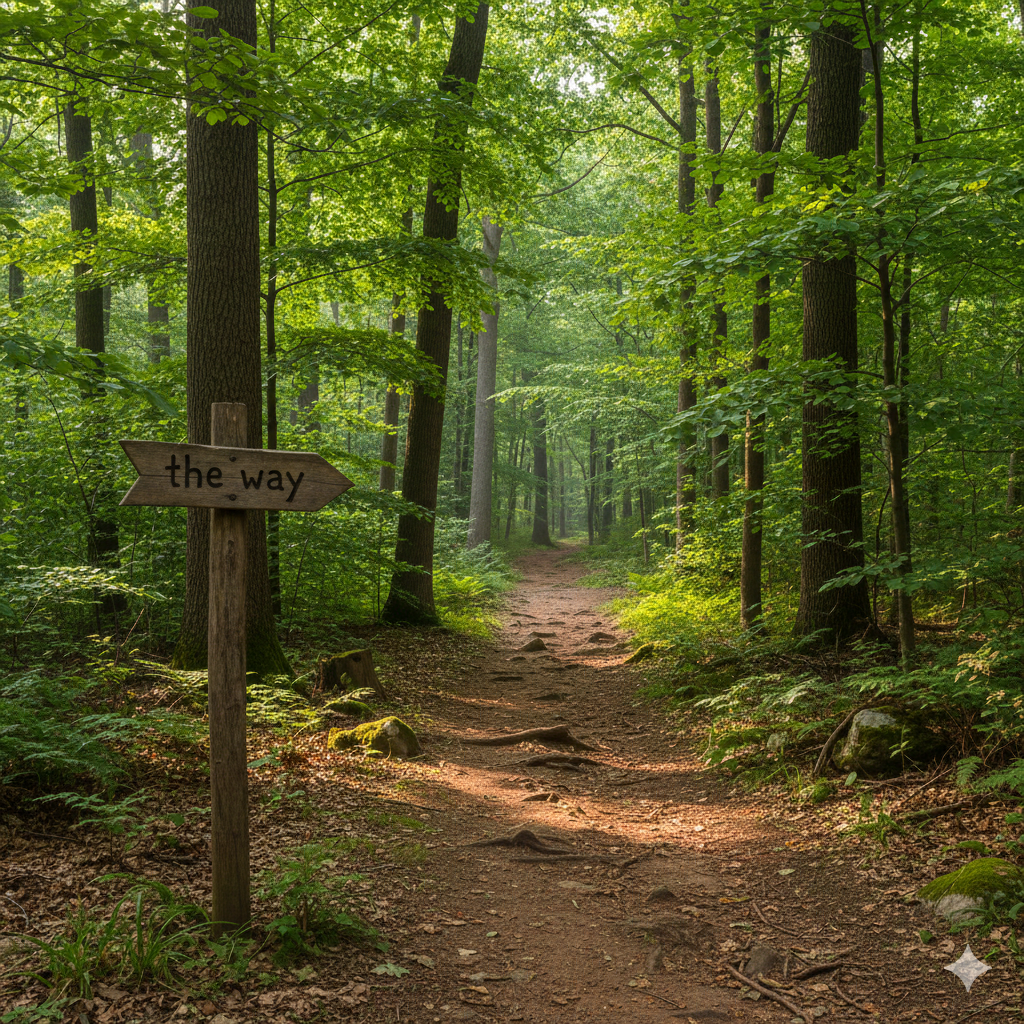
Imagine hearing that this man you and you friends had previously feared was now not only wanting to join you but actively preaching and teaching the Way of Jesus? Wouldn’t most of us be tempted to define Paul by the last worst thing he did? Ananias did and God intervened again and reminded Ananias of God’s love for all and sent him to invite Paul into The Way.
Paul spent the rest of his life spreading the good news of God’s love far and wide. Instead of hunting down groups of Jesus Followers he started groups of Jesus Followers and mentored and guided them, discipling them, his witness all the more effective because of what he had done before his conversion not in spite of it.
Paul, like Peter in our gospel reading today, lived into the question “what will we have left” if we stop following Jesus? Not because God had taken all they hold dear but because God showed them the life they are made for. A life in which our relationship with God is the foundation of our identity. When we live in the confidence that we are God’s beloved children then all of our relationships become reordered, reoriented toward God. The scales fall from our eyes and we are able to see the image of God in all people.
To serve God through the people of our communities doesn’t require a dramatic conversion experience or some sudden epiphany. Our life of faith following Jesus is lived out in the everyday ordinary moments of our lives as we see each other and all whom we encounter as fellow image bearers of our loving God.
And we must remember that conversion, whether it’s sudden or a life long journey doesn’t mean perfection. Paul didn’t always get it right. He had conflicts and problems. He often wrote of a thorn in his side that would not heal. But he stayed faithful. He stayed behind Jesus as he led others to know who and Whose they are. And our faith journeys are no different.
Our lives lived out as God’s beloved happen in the every day moments, the typical mornings and regular routines of our days as we serve God and reveal God’s love by tending to each other with compassion whatever the day may bring. Most of us won’t journey the world planting churches as Paul did but our work in God’s Kingdom on earth is no less important, no less glorious.
It can be as simple as a smile and a wave to our neighbor, or a kind word of encouragement to the person tending the register at the shop, or a cup of tea and a conversation offered to someone who feels lonely. When we let others know we see them and care for their wellbeing, we are planting the seeds of God’s love.
The former Presiding Bishop of the Episcopal Church, the Most Reverend Michael Curry – you might remember him as the one who preached a very energetic sermon at the wedding of the Duke and Duchess of Sussex – and in that sermon he said, “Love is not selfish and self-centred. Love can be sacrificial, and in so doing, becomes redemptive. And that way of unselfish, sacrificial, redemptive love changes lives, and it can change this world.”
Most of us are not called to do what Paul did. But we are all called to share the good news of God’s love, to look out for each other, to see the image of God in others, to respect the dignity of all people. We won’t always get it right. We all stumble and wander. And together and with God’s help we help each other find The Way again.
Love as Jesus shows us in flesh and blood how to love is the most powerful force of all. This love can and does change the world because it changes each of us and those we encounter each day as we follow Jesus in the kingdom-on-earth-as-in-heaven. Amen.
 Mother Nancy's Coffee Thoughts
Please tell me how to get
LikeLike