A Kingdom reflection (aka – what I would have preached if I preached today)
The lectionary readings for the nineteenth Sunday after Pentecost are here.
Today’s parable follows immediately on the heels of the one last week in which the two sons were asked to work in the vineyard – one said yes and didn’t go and one said no and did go. The parable is directed toward the Temple leaders and elders and Jesus ends that parable with the question “who did the will of the father” making the point that they are the ones who say yes to God’s Kingdom and then don’t go. In other words, they are not doing the will of the Father. And to fine tune his point, to help them have eyes to see and ears to hear, Jesus launches into the parable we read today.
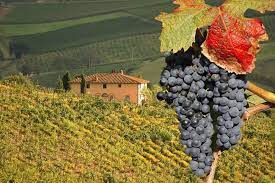
A man has a vineyard and entrusted it to others to take care of it – grow the grapes and make the wine. These folks decided that since they did the work the vineyard was theirs, not the owner who hired them to work the vineyard and so they brutally defended what they had stolen, even killing his son.
Jesus turns to the leaders and asks what will the owner do to the tenants? And they answer as they would handle the situation: “he will put those miserable wretches to death” and find others to do the work, as if the first set of workers were as expendable as the servants they beat and killed. Jesus takes their answer and reframes it in scripture, quoting Psalm 118, making the point that these leaders are the ones rejecting the very foundation of God’s Kingdom on earth. They have chosen to build their own kingdom and label it God’s.
From the beginning, God chose to work through the very people God created to establish the Kingdom of heaven on earth. And over and over again, through the course of history we humans have decided we can know better than God what is right and what is wrong, how kingdoms should be run, how this earth should be managed. We forgot our created purpose – participating with God to produce the fruit of the kingdom.
We forgot the image of God within us and decided to create a God in our own image – a god who thinks like we do, who is vengeful and oppressive, stingy and manipulative. And so Jesus offers us, real life, flesh and blood stories of who God really is and who and Whose we are created to be. Jesus tells us these parables of a landowner to remind us that we are created to be in a kingdom of abundance by a loving, compassionate, forgiving, and generous God.
The Kingdom of heaven is like a landowner who is wants everyone to thrive and gives generously of the Kingdom abundance accordingly. The Kingdom of heaven is a place where all are equal and no cry of suffering is silenced. The Kingdom of heaven is a place where God walks among us desiring only a loving relationship with us, where no one manipulates others for their own personal gain, where all who choose this new life are welcomed in forgiveness and reconciliation regardless of their past. The Kingdom of heaven on earth is where we choose to live life producing the fruit of the Kingdom knowing that the abundance of God’s Kingdom is sufficient for all to thrive.
Our baptism is our entry into this Kingdom, our adoption by God. This is the work God does in us. We make vows to be a good citizen of this Kingdom-on-earth-as-in-heaven. This is the work we do to participate with God. If we are baptized as children, our parents and godparents take the vows on our behalf and we take responsibility for the vows when we are mature enough. Our vows aren’t only about what we believe but also who we want to become and how we want to structure our lives because we believe that God created us and loves us and chooses to work out the purpose of all of creation through us.
When we renew these vows as others are baptized or confirmed we remember our own vows, that we are on this Kingdom journey with each other and with God’s help. We remember that God invites us to work in God’s vineyard not to defend it and hoard the abundance for ourselves but to make it welcoming and hospitable because we are shaped by God’s love and compassion so that we can share the abundance of the kingdom with everyone.

The Baptismal Covenant
(From the Book of Common Prayer, page 304-5)
Celebrant: Do you believe in God the Father?
People: I believe in God, the Father almighty, creator of heaven and earth.
Celebrant: Do you believe in Jesus Christ, the Son of God?
People: I believe in Jesus Christ, his only Son, our Lord. He was conceived by the power of the Holy Spirit and born of the Virgin Mary. He suffered under Pontius Pilate, was crucified, died, and was buried. He descended to the dead. On the third day he rose again. He ascended into heaven, and is seated at the right hand of the Father. He will come again to judge the living and the dead.
Celebrant: Do you believe in God the Holy Spirit?
People: I believe in the Holy Spirit, the holy catholic Church, the communion of saints, the forgiveness of sins, the resurrection of the body, and the life everlasting.
Celebrant: Will you continue in the apostles’ teaching and fellowship, in the breaking of bread, and in the prayers?
People: I will, with God’s help.
Celebrant: Will you persevere in resisting evil, and, whenever you fall into sin, repent and return to the Lord?
People: I will, with God’s help.
Celebrant: Will you proclaim by word and example the Good News of God in Christ?
People: I will, with God’s help.
Celebrant: Will you seek and serve Christ in all persons, loving your neighbor as yourself?
People: I will, with God’s help.
Celebrant: Will you strive for justice and peace among all people, and respect the dignity of every human being?
People: I will, with God’s help.
 Mother Nancy's Coffee Thoughts
Mother Nancy, thanks for sharing this. You have a gift for teaching the lessons clearly. You should someday publish a collection of your sermons and “Coffee Thoughts”!
Sent from my iPhone
>
LikeLike